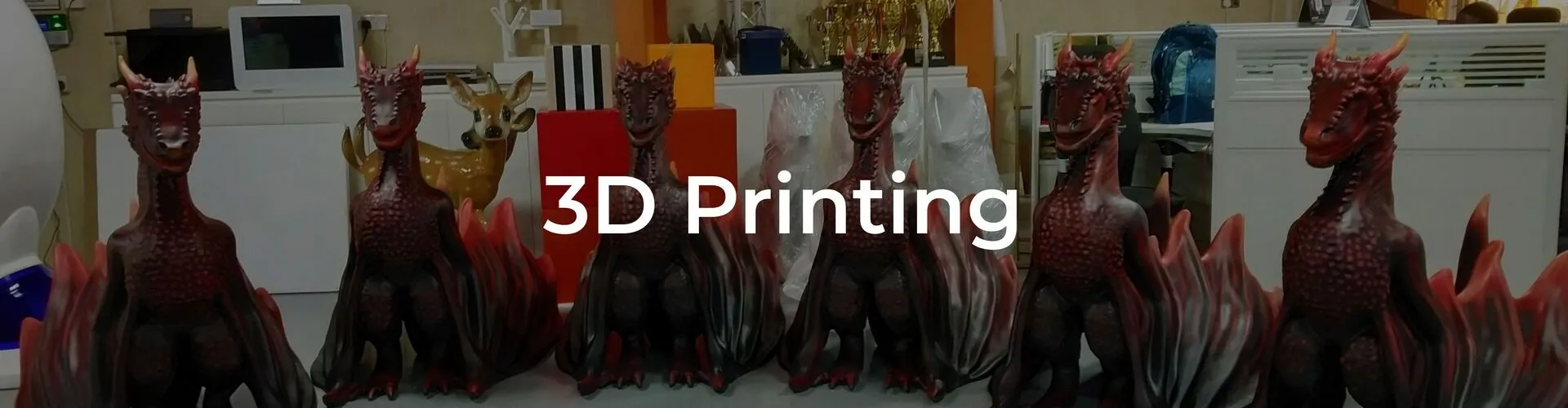
Why Speed Isn’t Everything In Professional 3D Printing

Fast machines often grab the most attention in manufacturing things. Everyone wants results right away. However, moving too quickly can lead to hidden costs and failed parts. Getting a job done fast feels good until the final piece breaks or looks bad.
Success in this field involves a careful balance between how fast a machine moves and the final quality of 3D printing Saudi.
Focus on surface detail:
When a printer moves at high speeds, it often leaves marks on the outer layers. These tiny shakes cause lines or rough patches that ruin the look of a part. If you need a smooth finish for a client, you might spend hours sanding away mistakes. Slowing down ensures every layer sits perfectly on the one below it.
Strength and layer bonding:
The heat needs time to melt the plastic so layers stick together well. If the head moves too fast, the material cools down before it can bond with the previous layer. This makes the final object weak and easy to snap.
Accuracy of small parts:
Precision is vital when making parts that must fit together. High speed creates momentum that makes it hard for the machine to stop or turn corners accurately. This leads to rounded edges or holes that are the wrong size. Taking more time allows the nozzle to hit the exact spots required for a perfect fit.
Saving expensive materials:
Running a machine at its limit increases the chance of a total failure. A failed print means wasting a lot of plastic and power. It is better to have a successful part in ten hours than a pile of scrap in five. Reliable results save money and keep the workspace clean and efficient.
Mechanical wear and tear:
Machines are like cars because they last longer when they are not pushed to the red line. Constant high speed shaking puts stress on belts, motors, and bearings. Over time, this leads to more repairs and a shorter life for the equipment. A moderate pace keeps the hardware running smoothly for many years.
Cooling and geometry:
Thin walls and tall towers need time to harden before the next layer arrives. If the printer stays too fast, the hot plastic stays soft and starts to sag under its own weight. Proper cooling happens when the machine allows enough time for each section to set. This ensures the shape stays exactly as intended from bottom to top.

More Stories
How A Lice Removal Salon Protects Your Privacy
Walking through the door of a lice removal salon often brings a wave of worry that extends beyond the head...
How To Optimize Your Coffee Vending Machine Placement
The placement of your coffee vending machine can greatly impact its success. A well-placed machine can attract more customers and...
4 Ways To Differentiate Between Mid-Range And True Luxury Apartments
Many people assume a higher price tag automatically means a better living space. However, the difference between a nice place...
The Importance Of Prototyping In Leading Fabrication Companies
Raw ideas carry no weight in industrial production. A design on paper offers no guarantee of real-world performance. This truth...
The Art Consultant’s Toolkit For Remote And Hybrid Workspaces
Office walls have turned into computer screens. Desks are now kitchen tables. This shift changes how people see art. Employees...
Seasonal Nail Colors That Will Define This Winter
Winter brings a fresh chance to try deep shades and icy tones. Cold air makes us reach for cozy sweaters...